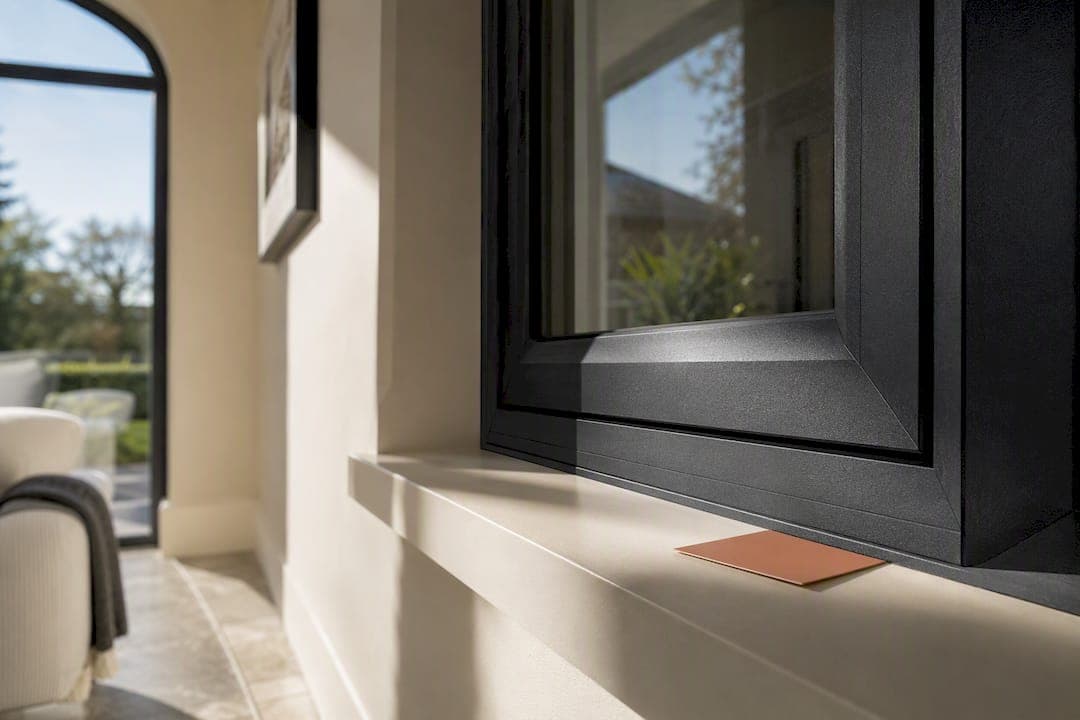
Painting your existing uPVC window frames almost always counts as maintenance, not development, so you won't need planning permission. The main exceptions are listed buildings, which need Listed Building Consent, and homes in conservation areas covered by an Article 4 direction, which can remove that permitted development right entirely. Flats and some leasehold properties fall into a grey area too. If any of that applies to you, a quick call to your local planning authority settles it before you pick up a brush.
TL;DR:
- Painting uPVC window frames typically does not require planning permission unless the property is listed or located within a conservation area with an Article 4 direction.
- Repainting usually qualifies as maintenance under Class C of the GPDO, provided the work doesn't materially alter the building's external appearance or use.
- For flats or leasehold properties, owners must check lease restrictions, notify management, and in some cases seek planning permission due to legal classification differences.
- Painting existing frames is not governed by Building Regulations, but replacing frames or units triggers specific ventilation and overheating standards.
- Professional respray services are cost-effective and quick, often backed by warranties, and avoid the need for full window replacement when the work conforms to permitted development rules.
Table of Contents
- Why painting uPVC frames is usually permitted development
- Exceptions that commonly need consent: listed buildings, conservation areas and Article 4 directions
- Flats, maisonettes and leasehold properties: extra permissions and stakeholders
- Building regulations vs planning permission: what each controls
- Costs and timescales: consents and professional respraying
- Why homeowners use professional UPVC resprayers
- Author's practical take for UK homeowners
- Refinishingstudio: a local respray instead of full replacement
- Sources
- FAQ
Why painting uPVC frames is usually permitted development
The legal basis sits in Class C of The Town and Country Planning (General Permitted Development) (England) Order 2015, which lists exterior painting as permitted development for most dwellinghouses. In plain terms, Parliament decided decades ago that repainting your own house isn't the kind of change that needs council sign off.
There's a separate legal test worth knowing about too. Section 55 of the Town and Country Planning Act asks whether works count as "development" at all. Cosmetic changes that don't alter a building's external appearance materially, or its use, often fail that test outright, meaning permission was never required in the first place.
Planning Portal guidance confirms the practical effect: repairs, maintenance and minor improvements such as painting usually sail through without any application. Examples that typically qualify as maintenance include:
- Repainting existing uPVC window and door frames in a similar or different colour
- Recoating fascias, soffits and guttering as part of general upkeep
- Refreshing a conservatory frame that has faded or chalked with age
- Touching up a garage door that's seen twenty British winters
Exceptions that commonly need consent: listed buildings, conservation areas and Article 4 directions
Three situations strip away that automatic permission, and they trip up more homeowners than you'd expect.
Listed buildings almost always need Listed Building Consent for any significant external change, including a colour switch on the frames. Fife Council's guidance makes clear that listed status protects surfaces contributing to a building's character, not just its structure, so even a "like for like" repaint can need sign off if the shade or finish differs from what's recorded.
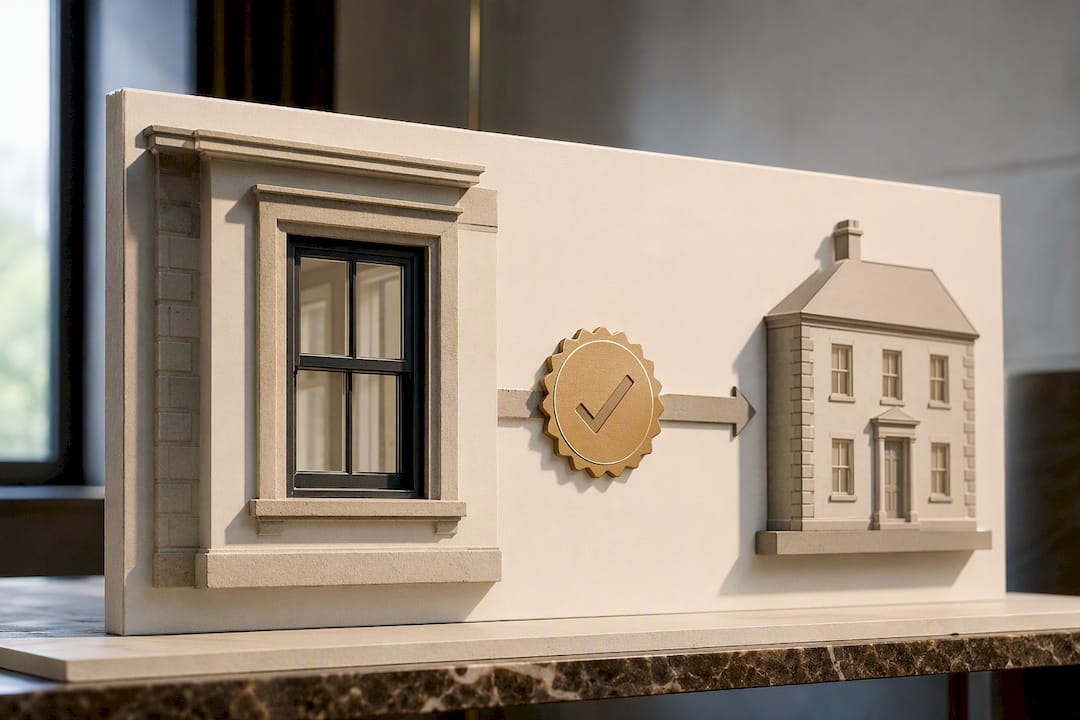
Conservation areas don't automatically require permission for painting, but many contain an Article 4 direction that specifically withdraws permitted development rights for things like window colour or materials. These directions apply street by street, sometimes even side by side on the same road, which is exactly why blanket assumptions get people into trouble.
Run through this before you order paint:
- Is your property listed, even Grade II?
- Is it inside a conservation area?
- Does your council's Article 4 register mention windows, doors or painting?
- Are you changing the colour markedly, not just refreshing the existing one?
Pro Tip: Search "[your council name] Article 4 register" before anything else. Most authorities publish an interactive map, and checking it takes less time than choosing your paint colour.
Flats, maisonettes and leasehold properties: extra permissions and stakeholders
The GPDO's permitted development rights apply to a "dwellinghouse", and flats and maisonettes generally don't fit that legal definition. That single distinction removes the automatic maintenance exemption for a lot of leasehold properties, regardless of how routine the repaint looks.
If you own a flat, work through this order:
- Check your lease for clauses restricting alterations to external elements, including window frames.
- Notify the freeholder or management company before any work starts, in writing if possible.
- Contact the local planning authority, since some councils, Brighton & Hove among them, require planning permission for window changes to flats and apply tighter rules in conservation areas.
Skipping step one is the most common mistake. Freeholders can object even when the council has no issue at all.
Building regulations vs planning permission: what each controls
Planning permission governs how a building looks; Building Regulations govern how it performs. That split matters here.
Replacing a window can trigger Building Regulations Part F (ventilation) and Part O (overheating), because new glazing changes thermal and airflow performance. A respray changes none of that.
- Painting existing frames: no building regulation trigger
- Replacing frames or units: building regulation compliance required
- Using a professional resprayer: substrate and glazing untouched, performance unaffected
That's the practical distinction homeowners often miss when they lump "window work" into one category.
Costs and timescales: consents and professional respraying
Where consent genuinely is needed, Listed Building Consent applications are free and typically take a standard determination period, though pre-application advice can add a few weeks upfront.
Where no consent is needed, professional respraying is generally far cheaper and faster than full window replacement, since you keep the existing frames and glazing units. Sprayed uPVC finishes can typically be recoated after several years, compared with the far more limited repairability of factory foil laminate finishes once they're damaged or dated.
Why homeowners use professional UPVC resprayers
A proper hand-spray respray doesn't touch the substrate, the profile, or the glazing seals. It's a coating applied over the existing frame, which is precisely why it sits so comfortably inside the "maintenance" definition that Class C protects.
Professional UPVC and kitchen respray projects across South Wales often come with warranties on every job. That track record matters when you're gathering evidence for a planning enquiry, not just for your own peace of mind.
If you do end up briefing a planning officer or a contractor, bring:
- A close-up photo of the current frame condition
- The exact colour reference (RAL or BS code) you're proposing
- A note confirming no structural or glazing changes are involved
Author's practical take for UK homeowners
If there's one habit worth adopting here, it's checking before you commit to a colour. A five-minute look at your council's Article 4 register, or a quick email with a photo attached, removes almost all the uncertainty this topic seems to generate. Most of the anxiety around uPVC painting comes from people assuming the worst case applies to them when, statistically, it rarely does.
Once you've confirmed you're clear, hire someone who does this for a living rather than experimenting yourself. Keep every photo, swatch and email exchange in one folder. It costs nothing and it's the only real defence if a neighbour or a council officer ever questions the work later.
— Mitchell
Refinishingstudio: a local respray instead of full replacement
Refinishingstudio is the alternative to ripping out perfectly sound frames just to change their colour, offering hand-sprayed UPVC window and door respraying across South Wales with a five-year transferable warranty on every finish.

Because the technique leaves existing frames, glazing and seals untouched, it can sit within the maintenance category many councils recognise, making it easier to present to a planning officer if needed. Colour samples and reference codes for RAL or BS shades are often provided, useful if local authorities or freeholders request evidence before work begins. The service typically covers windows, doors, fascias, conservatories and garage doors, all finished to high factory standards without subcontractors.
If you're considering a colour change in these or other areas, it is advisable to arrange a site visit and obtain a quote based on your specific frames and colour choice.
Sources
- The Town and Country Planning (General Permitted Development) (England) Order 2015
- Planning Portal – External walls
- Painting exterior of listed or unlisted buildings in a conservation area (Fife Council guidance)
- Brighton & Hove – Planning permission for doors and windows
FAQ
Do I need planning permission to paint the exterior of my house?
No, exterior painting is normally classed as permitted development under Class C of the GPDO. Listed buildings and some conservation areas with Article 4 directions are the main exceptions.
Do I need planning permission for uPVC windows?
Painting existing uPVC frames usually doesn't need permission, but replacing them with different-style windows can trigger both planning and Building Regulations checks depending on your property and location.
Can you paint a uPVC door?
Yes, uPVC doors can be professionally resprayed in the same way as window frames, and the same maintenance exemption generally applies unless the property is listed or restricted by an Article 4 direction.
How much does it cost to have uPVC windows painted?
Professional respraying is generally cheaper than full replacement since the existing frames and glazing stay in place; exact pricing depends on the number of frames, colour choice and finish, so a site-specific quote is the only reliable figure.